
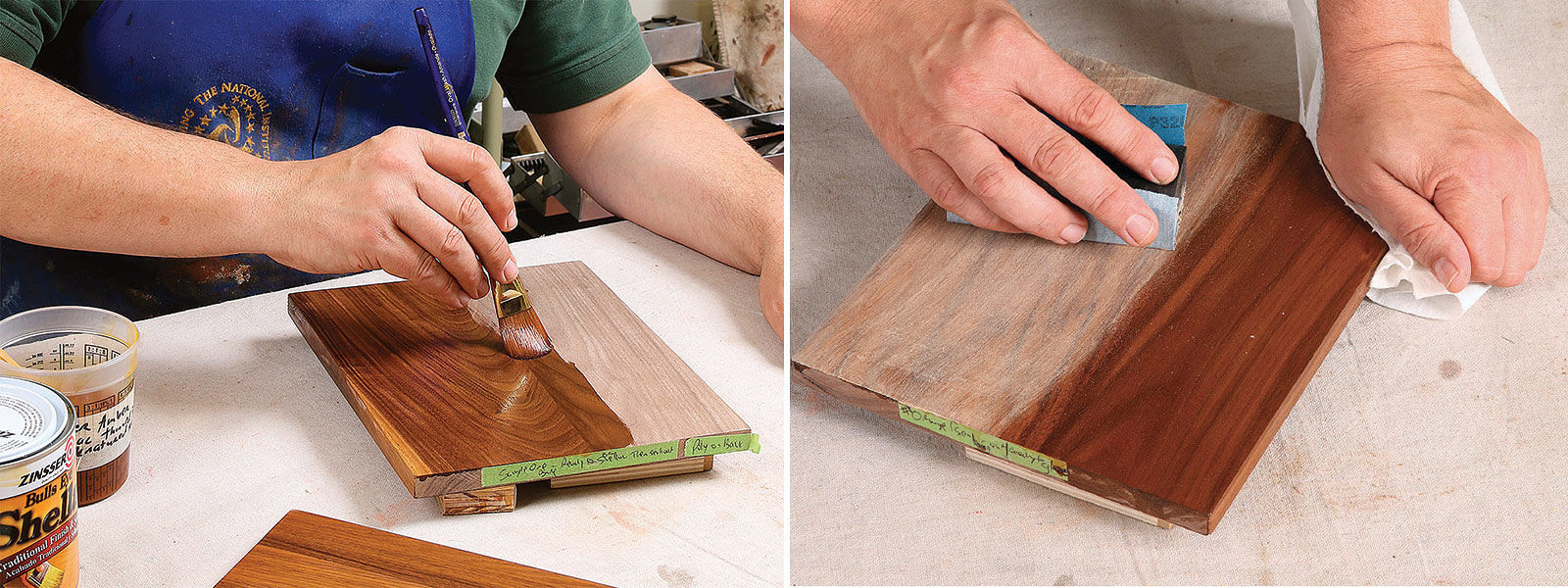
It can be applied using a brush, paint roller or sprayer, and commercial shellac applications actually use a dipping process in which the object is immersed in a vat of shellac and then hanged it to drip off the excess. … Immediately before applying shellac, clean each surface thoroughly with a tack cloth.
Table of Contents
READ ALSO

Thereof, How do you apply shellac to furniture?
Also to know is, How do you apply shellac to large surfaces? You just apply shellac with the pad, working quickly and never going back over an area to fix a missed spot or overlap. You want to apply thin and fairly even coats, but don’t obsess over it. Just fully damp, not flowing coats. You can build a finish a little faster with a brush.
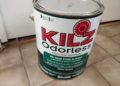
Subsequently, question is, Can I apply Zinsser shellac with a foam roller? BIN Shellac by Zinsser (or Rust-oleum) is my absolute favorite. It is a pigmented Shellac and can be used on whole surfaces or for small spot-priming. … Just keep in mind, if you use a foam roller, it can start to fall apart after a lot of use, due to the chemicals in Shellac.
Also, How do you get a smooth shellac finish?
Although a surface may not be ready for sanding and recoat for about two hours, it dries to the touch in minutes. In fact, it can dry quickly enough to snag your brush or pad. The secret to a smooth finish is to keep the brush or pad in constant motion. Keep moving forward as you work and don’t look back.
How do you apply shellac to wood furniture?
How do you apply shellac spray?
– Use a one-pound cut (one pound of shellac flakes in one gallon of alcohol), which can be sprayed through any spray gun that will spray lacquer.
– Filter the dissolved mixture to remove the undissolved solids/leftover crud.
– Spray thin, even coats.
Do you sand the final coat of shellac?
Completing the Shellac Finish After the first coat of shellac completely dries, lightly sand the surface with 400-grit sandpaper. … If you prefer a less glossy, satin finish, buff out the final coat with 0000 steel wool and a non-silicon based paste wax. Lightly work the wax over the finish until it’s thoroughly covered.
Do you sand after Shellac?
Shellac does correct itself, provided you don’t back-brush your work. After the first coat, sand only if you need to smooth the surface or to correct mistakes. After three or four coats you should have adequate film thickness to rub out with 600-grit sandpaper or 0000 steel wool.
How do you use shellac bin primer?
How do you thin out shellac primer?
Answer: No, BIN does not require any thinning. The primer is already very thin, similar to the consistency of milk. You need to use ammonia, or denatured alcohol to clean your sprayer and completely remove the primer. Ammonia is cheaper.
What can you thin shellac with?
The thinner and clear-up solvent you should use with shellac is denatured alcohol. This is ethanol, the same alcohol that is included in beer, wine and liquors. But it is made poisonous so it can be sold without liquor taxes. Sometimes you’ll see methanol (methyl alcohol) sold in paint stores.
How do you apply shellac over stain?
The guideline with shellac is “the thinnest coating that provides a continuous film is the correct amount”. With that as preface, I would recommend you allow the stain to cure for at least 48 hours, then apply one coat of shellac, then topcoat with a quality varnish.
Is shellac a good wood finish?
Shellac is a warm colored finish for wood that’s easy to apply with a rag, brush or sprayer. It dries quickly so multiple coats can be applied in one day. Shellac is a natural finish that has been used for thousands of years. The color of shellac ranges from garnet to clear and it enhances the natural beauty of wood.
Can shellac be sprayed?
Once mixed, either from flakes or directly from a can, shellac can be brushed on, ragged on or sprayed onto your project. If you brush shellac, use a good-quality brush. … I prefer to spray my shellac. Spraying shellac results in an even smoother finish which greatly reduces the amount of sanding during finish work.
How many layers of shellac can I put on?
Three to four coats is generally enough to give the work a fully protective coat. The first coat seals the wood and the second gives it enough body to sand, level and recoat without cutting through these base coats. The first coat can be applied with a rag or a brush, depending on the surface area you want to coat.
What finish can be applied over shellac?
But with that quick step on and off of my soapbox, I will say that even the company recommends that you do not use a polyurethane over shellac, but many woodworkers do this on a daily basis without any concerns. It is, however, OK to use an oil-based urethane over shellac.
Don’t forget to share this post 💖
References and Further Readings :