
12 inches
Table of Contents
READ ALSO


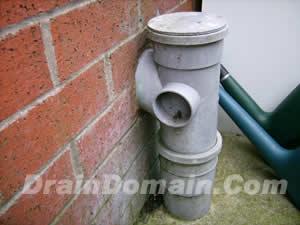
Thereof, How far should a soil pipe be from a window?
Each vent shall terminate not less than 10 feet (3048 mm) from, or not less than 3 feet (914 mm) above, an openable window, door, opening, air intake, or vent shaft, or not less than 3 feet (914 mm) in every direction from a lot line, alley and street excepted.
Also to know is, How high should a soil pipe be? 900 mm
Subsequently, question is, Where are water pipes in walls? Pipes are recessed in the walls so you will not be able to hear the difference. You might think you can follow the water lines from your basement upwards into your walls but piping often needs to change direction to avoid studs, electrical wiring and other obstructions in the wall.
Also, Do all soil pipes need venting?
Every plumbing fixture must also have an attached vent. The top of stacks must be vented too, via a stack vent, which is sometimes called a stink pipe. … Through traps, all fixtures are connected to waste lines, which in turn take the waste to a “soil stack”, or “soil vent pipe”.
How far should toilet waste pipe be from wall?
12 inches
How do you hide water pipes in walls?
Box the Pipes In With Wood & Paint Consider using a drywall alternative while you’re at it. It might inspire some other ideas in terms of decorative value. Simply frame it in, seal the edges with caulk, let it all dry, and then you can paint this new box cover the same color as the wall it’s against.
How do you know if there is plumbing behind a wall?
There may be electrical wires inside the wall, so score the area first with a utility knife. Then, cut out the hole with a drywall saw. Look into the space with a flashlight to see if there’s more water damage. If you see water in the area, follow it back to see where it’s coming from.
Can I bury central heating pipes in the wall?
Hi, you can chase the pipes into the wall. … (gives you the ability to sqare up those walls, you’ll love that when you come to do the tiling) There are no regs about burying hot cold or heating in walls, just gas! However isolating valves are required.
Should a soil pipe be vented?
Every plumbing fixture must also have an attached vent. The top of stacks must be vented too, via a stack vent, which is sometimes called a stink pipe. … Through traps, all fixtures are connected to waste lines, which in turn take the waste to a “soil stack”, or “soil vent pipe”.
Where should toilet supply line be placed?
Insert the line through the bottom plate on the wall, approximately 8 inches to the left of the toilet’s center line. Connect this supply line at the water line attached to the sink.
How many vent pipes does a house need?
At least one main vent stack is required for every building that has plumbing when connecting separately to the sewer for the building or its septic tank. The stack has to run the most direct route through open air or be ventilated to extend to open air.
How do you find a leak in a pipe behind a wall?
Hold a flashlight inside the wall and point it toward the ceiling while you examine the insides of the wall with a hand mirror. You may be able to see the pipe, and if you can, run the flashlight along it and look for drips or water spraying. Blackening or water damage inside the wall may help you pinpoint the leak.
Where should a soil vent pipe be placed?
The position of a vent in a soil pipe is controlled by building regulations. It is always placed above the highest waste water inlet into the pipe. A vent is usually located above the roof, so odours and gases can escape harmlessly without causing a nuisance to the property occupiers or neighbours.
How much vents do you need in plumbing?
The vent system serving each building drain shall have at least one vent pipe that extends to the outdoors. 903.1. 1 Installation. The required vent shall be a dry vent that connects to the building drain or an extension of a drain that connects to the building drain.
Are all toilets the same distance from the wall?
Start by measuring from the wall behind the toilet to the center of the bolts at the base of the toilet. … If the rough-in measurement is not between 11 inches and 13 inches, a standard toilet will not fit the space, and you will need to look for a toilet designed for that specific rough-in distance.
Do waste pipes need to be vented?
Every plumbing fixture must also have an attached vent. The top of stacks must be vented too, via a stack vent, which is sometimes called a stink pipe. All plumbing waste fixtures use traps to prevent sewer gases from leaking into the house.
Don’t forget to share this post 💖
References and Further Readings :